



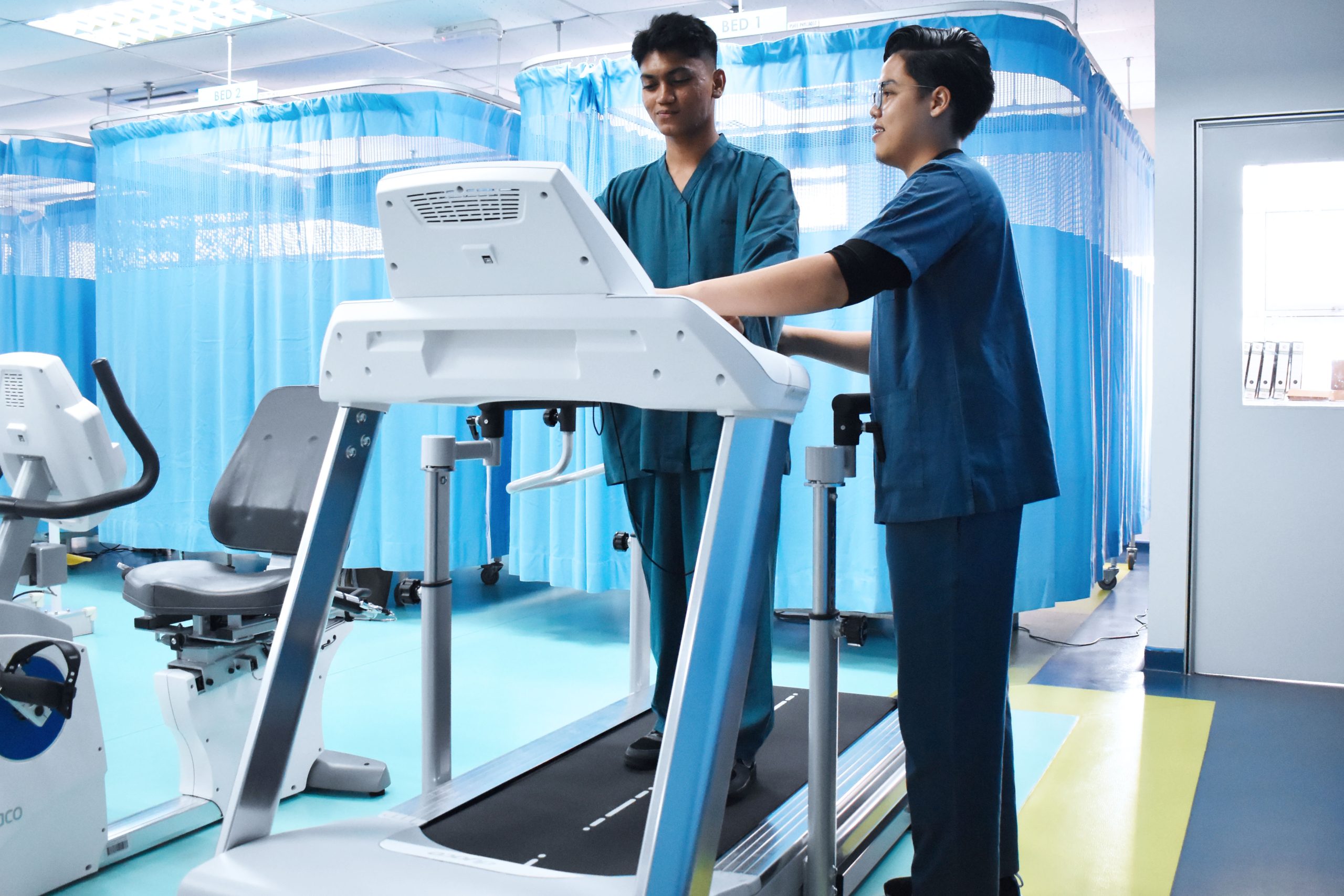
Physiotherapy Malaysia and the Shift Toward Personalized Rehabilitation Programs
Physiotherapy care in Malaysia has changed a lot in recent years. Patients now expect treatment that fits their condition, lifestyle, and recovery goals. This shift has led to a stronger focus on personalized rehabilitation programs. Putra Hospital Melaka, a leading hospital for physiotherapy Malaysia, reflects this approach by supporting patient-centered care through structured and professional rehabilitation services.
Personalized care is now seen as a key part of modern physiotherapy practice across Malaysia.
Why Personalized Rehabilitation Matters
Every patient is different. Age, injury type, medical history, and daily activity all affect recovery. A fixed treatment plan may not work well for everyone.
Personalized rehabilitation helps:
- Improve recovery outcomes
- Reduce pain more effectively
- Lower the risk of repeat injury
- Support long-term movement and strength
This approach allows physiotherapists to focus on what each patient truly needs.
From Standard Programs to Individual Plans
In the past, many physiotherapy programs followed standard routines. While these methods worked in some cases, they did not always address individual challenges.
Today, physiotherapy Malaysia emphasizes:
- Detailed patient assessments
- Clear treatment goals
- Regular progress reviews
Each rehabilitation plan is adjusted based on how the patient responds to treatment.
Role of Assessment in Personalized Care
A strong assessment is the foundation of personalized rehabilitation. Physiotherapists review:
- Movement patterns
- Strength and flexibility
- Pain levels
- Functional limitations
This information helps create a plan that targets the root cause of the problem, not just the symptoms.
Technology Supporting Personalized Physiotherapy
Modern tools help improve accuracy and treatment planning. These may include:
- Digital movement analysis
- Progress tracking systems
- Outcome measurement tools
Technology allows physiotherapists to monitor improvement and adjust programs when needed, leading to better results.
Personalized Care in Different Conditions
Musculoskeletal Conditions
Personalized plans help manage back pain, joint issues, and muscle injuries by focusing on specific movement limits and strength gaps.
Post-Surgical Rehabilitation
Recovery speed and needs differ after surgery. Customized programs help restore function safely and reduce recovery time.
Sports Rehabilitation
Athletes need treatment that matches their sport and activity level. Personalized programs focus on performance, not just healing.
Chronic Conditions
Long-term conditions require careful pacing and monitoring. Personalized care supports steady improvement without overload.
Patient Involvement in Recovery
Personalized rehabilitation encourages active patient involvement. Patients understand their goals and take part in their recovery plan.
This approach helps:
- Improve treatment adherence
- Build confidence in movement
- Support long-term lifestyle changes
When patients are involved, outcomes are often better.
Choosing the Right Physiotherapy Center
Not all clinics offer the same level of personalized care. A good physiotherapy center focuses on:
- Individual assessment
- Clear treatment planning
- Ongoing progress review
- Professional and experienced staff
Choosing the right center plays an important role in recovery success.
Long-Term Benefits of Personalized Rehabilitation
Personalized physiotherapy does more than treat current issues. It helps:
- Prevent future injuries
- Improve overall movement quality
- Support active and healthy living
This long-term focus is now a key part of physiotherapy Malaysia.
Conclusion
Personalized rehabilitation programs are shaping the future of physiotherapy care in Malaysia. By focusing on individual needs, clear goals, and ongoing assessment, physiotherapy services can deliver better and more lasting outcomes.
As a leading hospital for physiotherapy Malaysia, Putra Hospital Melaka continues to support patient-centered rehabilitation through professional care, structured programs, and a strong focus on long-term recovery.