



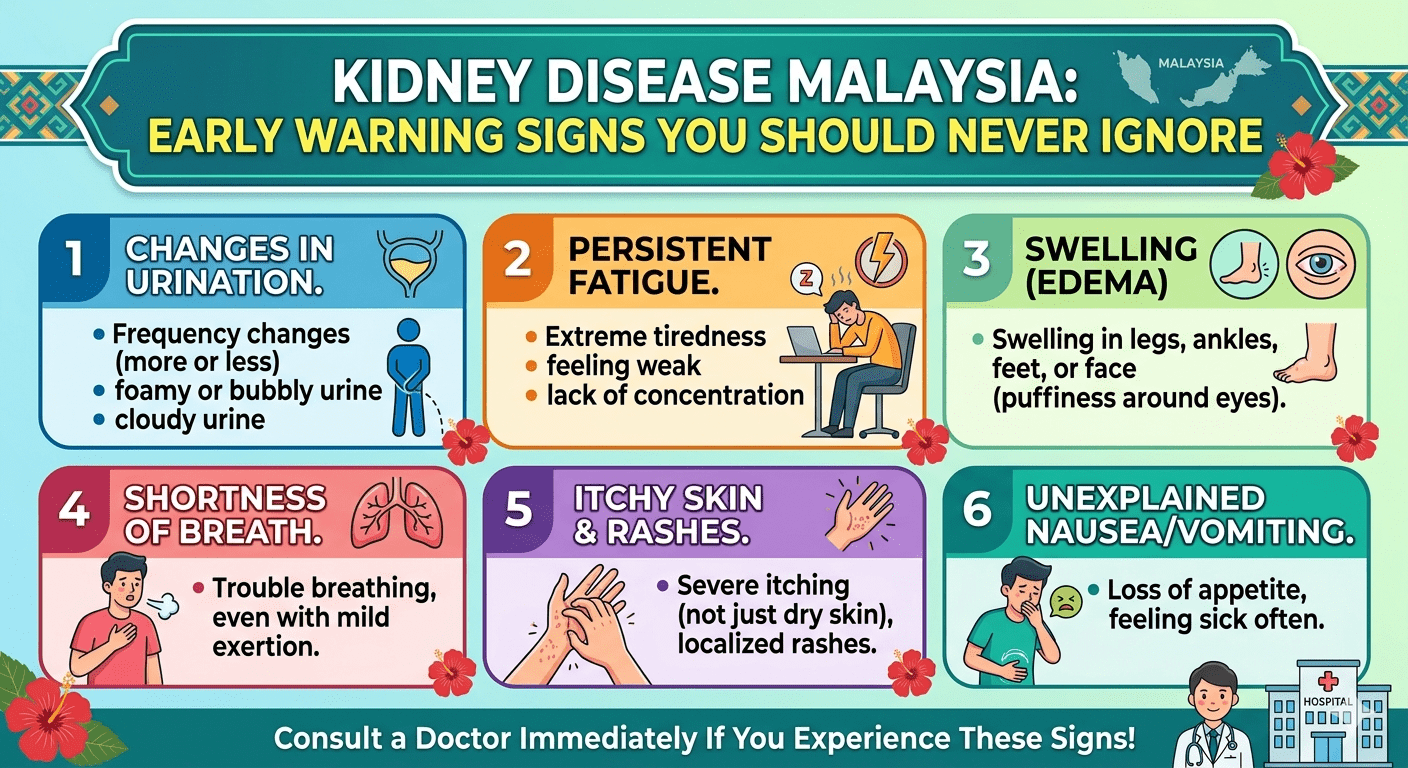
Kidney Disease Malaysia: Early Warning Signs You Should Never Ignore
Malaysia has one of the highest rates of kidney failure in the world, with thousands of new cases reported each year. Many people do not realise they have kidney problems until the damage is already serious.
Kidney disease is often called the “silent killer” because it usually develops without clear symptoms in the early stages. By the time symptoms appear, the condition may already be advanced.
At Putra Hospital Melaka, many patients only discover kidney issues during routine blood tests or health screenings. Early detection is crucial, as it can help slow the disease and protect your long-term health.
How Your Kidneys Work
Your kidneys are two bean-shaped organs located just below the ribcage on either side of your spine. Each day, they filter about 200 litres of blood, removing waste, excess fluids, and toxins, which leave the body as urine. They also help regulate blood pressure, balance electrolytes, produce hormones for red blood cell production, and support bone health.
When kidneys start to fail, these functions are affected—waste builds up, fluid accumulates, blood pressure rises, and the body’s chemical balance is disrupted.
The problem is that kidneys are resilient. They can function with much less capacity before symptoms appear. In fact, up to 90% of kidney function can be lost before severe symptoms show, which is why many cases of kidney failure in Malaysia are only detected at an advanced stage.
Early Warning Signs of Kidney Disease Malaysia Patients Should Know
Kidney disease often develops quietly, so recognizing the early warning signs is crucial. If any of the following persist, it’s important to consult a doctor.
1. Swelling in Legs, Ankles, or Feet
When kidneys cannot remove excess fluid properly, it builds up in the body. This can cause puffiness in the ankles, feet, legs, or even around the eyes in the morning.
2. Persistent Fatigue and Weakness
Healthy kidneys produce a hormone called erythropoietin, which helps make red blood cells. Reduced kidney function can lead to anaemia, causing constant tiredness, weakness, and difficulty concentrating, even after adequate rest.
3. Changes in Urination Patterns
Noticeable changes in urination—such as going more frequently, especially at night, producing very little urine, difficulty passing urine, or unusually dark or pale urine—can be a warning sign of kidney issues.
4. Foamy or Bubbly Urine
Foamy urine that doesn’t disappear quickly may indicate protein in the urine (proteinuria), an early and reliable sign of kidney damage.
5. Blood in the Urine
Pink, red, or brown urine can suggest damage to the kidneys’ filtering units. This symptom requires immediate medical attention.
6. Persistent Back or Side Pain
A dull, deep ache in the lower back or one side of the body may signal kidney problems, particularly if paired with changes in urination.
7. High Blood Pressure That Is Hard to Control
Kidneys play a key role in regulating blood pressure. Damaged kidneys can cause hypertension, which in turn worsens kidney function, creating a harmful cycle.
8. Loss of Appetite, Nausea, or Vomiting
Waste accumulation in the blood (uraemia) can cause nausea, a metallic taste in the mouth, loss of appetite, and vomiting in advanced stages.
9. Difficulty Sleeping
Toxin buildup may interfere with sleep, causing insomnia, restless legs, or frequent waking, which further increases fatigue.
10. Dry, Itchy Skin
When kidneys cannot maintain the proper balance of minerals and nutrients, it can result in dry, itchy skin. Persistent itching without a clear cause should be checked.
Recognizing these warning signs early allows for timely medical intervention, helping to slow the progression of kidney disease and protect long-term health.
Who Is Most at Risk of Kidney Disease in Malaysia?
Kidney disease can affect anyone, but some groups are at higher risk and should be extra vigilant:
- Diabetic patients – High blood sugar can damage the kidneys over time, leading to diabetic nephropathy.
- People with high blood pressure – Chronic hypertension can harm the kidneys’ delicate filtering structures.
- Adults over 60 – Kidney function naturally declines with age, making regular monitoring important.
- Those with a family history of kidney disease – Genetics can significantly increase risk.
- Obese individuals – Higher likelihood of diabetes and hypertension indirectly raises kidney risk.
- Frequent users of certain medications – Long-term overuse of painkillers or some supplements can be toxic to the kidneys.
Being aware of these risk factors and getting regular checkups can help detect kidney issues early and protect long-term health.
When Should You See a Doctor?
If you notice any of the symptoms mentioned earlier, especially if they persist for more than a few weeks, don’t wait—see a doctor promptly.
Seek immediate medical attention for warning signs such as blood in the urine, sudden severe swelling, very low urine output, or extreme fatigue with shortness of breath.
Even if you feel well but fall into a high-risk group, proactive screening is essential. At Putra Hospital Melaka, our Health Screening Centre offers comprehensive packages, including kidney function tests, blood pressure and blood sugar checks, and urine analysis. Early detection through routine screening can make all the difference between managing kidney disease and facing kidney failure.
How Kidney Disease Is Diagnosed
If kidney disease is suspected, doctors usually recommend a combination of tests:
- Blood tests – Measure creatinine levels and calculate the estimated Glomerular Filtration Rate (eGFR) to assess how well the kidneys are filtering waste. A lower eGFR indicates reduced kidney function.
- Urine tests – Check for protein or blood in the urine, early signs of kidney damage.
- Imaging scans – Ultrasounds or other scans can show kidney size, structure, blockages, or cysts.
- Kidney biopsy – Sometimes needed when the cause of kidney damage is unclear.
For patients with advanced kidney disease, haemodialysis becomes necessary. This life-sustaining treatment uses a machine to perform the kidney’s filtering function. At Putra Hospital Melaka, our Haemodialysis Centre provides professional and compassionate care for patients at this stage of their journey.
How to Protect Your Kidneys
The good news is there are many steps you can take to maintain healthy kidneys and reduce your risk of kidney disease:
- Stay hydrated – Drinking enough water helps your kidneys flush out waste. Aim for at least eight glasses a day, more if you’re active or in hot conditions.
- Manage blood sugar and blood pressure – If you have diabetes or hypertension, keeping them under control is key, as they are the leading causes of kidney disease in Malaysia.
- Eat a kidney-friendly diet – Limit salt, processed foods, and excessive protein. Focus on vegetables, fruits, and whole grains to support kidney health.
- Exercise regularly – Physical activity helps control weight, blood pressure, and blood sugar, all of which benefit your kidneys.
- Avoid overusing painkillers – Long-term use of NSAIDs like ibuprofen or naproxen can damage kidneys. Always consult your doctor before taking medications regularly.
- Go for regular health screenings – Early detection is crucial. Kidney disease caught early can be managed effectively, while late detection may require dialysis or a transplant.
Small lifestyle changes today can make a big difference in protecting your kidneys for the long term.
Conclusion
Your kidneys work quietly every day to keep you healthy. The challenge of kidney disease in Malaysia is not just how common it is, but how preventable and manageable it can be if detected early. The warning signs highlighted in this article are your body’s way of asking for help—listen to them.
Don’t wait until symptoms become severe. Don’t dismiss fatigue, swelling, or other changes as just part of a busy life. Most importantly, don’t skip your health screening.
At Putra Hospital Melaka, we are here to support you every step of the way. Whether it’s a routine kidney function screening, a specialist consultation, or ongoing care at our Haemodialysis Centre, our team provides professional, compassionate care.
Your kidneys cannot speak for themselves, but we can help you listen. Book your health screening or specialist appointment at Putra Hospital Melaka today—early action is the best way to protect your health.