



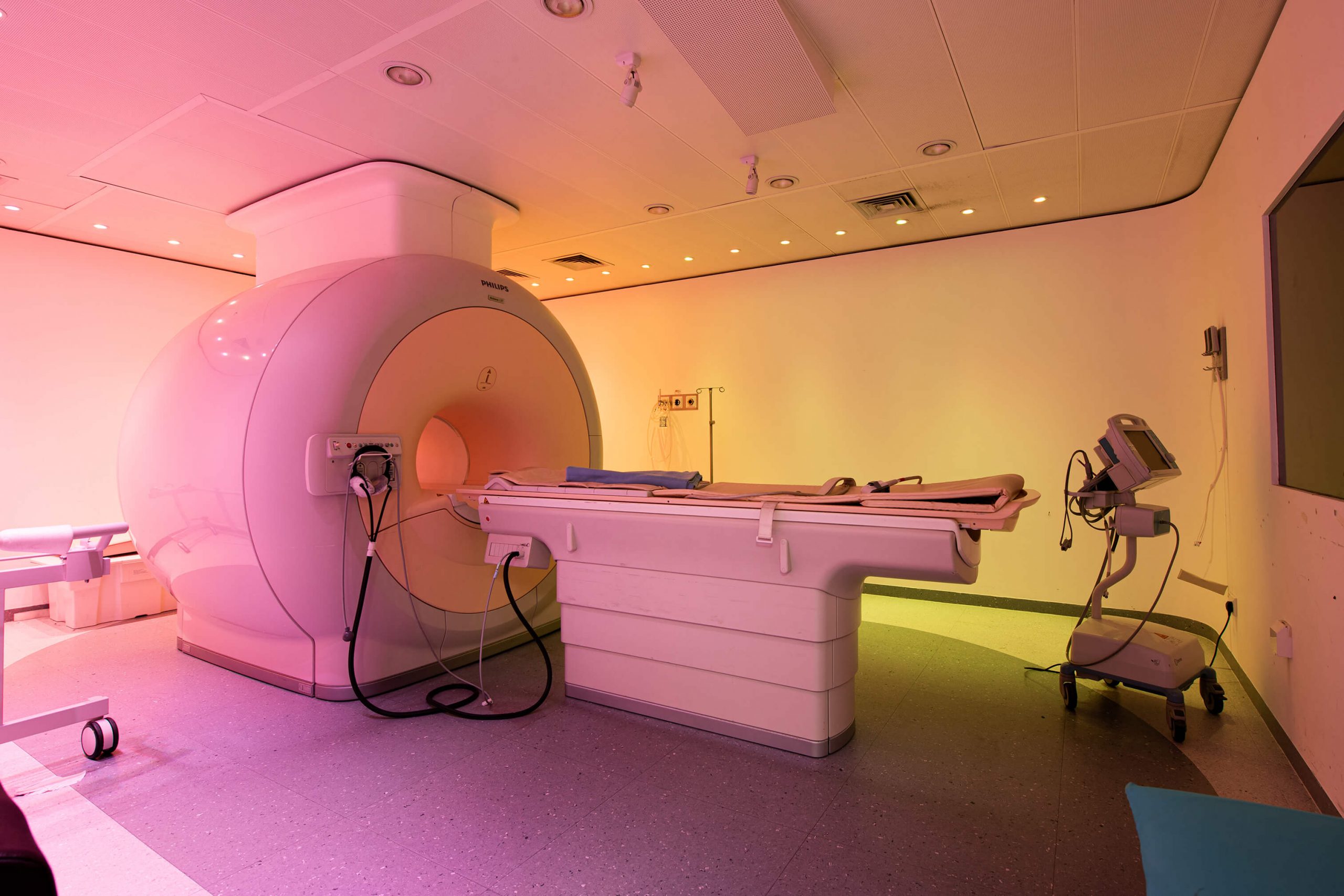
Exploring Innovations in Advanced Radiology Services
Advanced radiology services are transforming healthcare with cutting-edge imaging services and technologies. These innovations are reshaping how diseases are diagnosed and treated.
From MRI to CT scans, advanced imaging techniques offer precise and non-invasive diagnostic options. They provide detailed insights into the human body, aiding in early disease detection.
The integration of artificial intelligence in radiology is a game-changer. It enhances image analysis, improving diagnostic accuracy and efficiency.
3D imaging and printing are revolutionizing surgical planning and patient education. These technologies offer a new dimension to medical imaging, making procedures safer and more effective.
As we explore these innovations, it’s clear that advanced radiology services are vital. They play a crucial role in modern medicine, improving patient outcomes and healthcare delivery.
Understanding Advanced Radiology Services
Advanced radiology services involve a suite of imaging techniques. These techniques diagnose, monitor, and treat diseases with precision. Each method offers unique benefits in medical imaging.
Let’s delve into some key technologies:
- MRI (Magnetic Resonance Imaging): Provides detailed images of organs and tissues.
- CT scans (Computed Tomography): Offers cross-sectional views for comprehensive analysis.
- PET scans (Positron Emission Tomography): Highlights metabolic activities and functions.
- Ultrasound: Uses sound waves for real-time imaging without radiation exposure.
These technologies are integral to modern healthcare. They allow for early and accurate disease detection, improving treatment outcomes.
The role of radiology extends beyond diagnosis. It aids in tracking the progress of treatment, ensuring therapies are effective. Radiologists collaborate with other healthcare professionals, providing essential insights to guide patient care.
As such, advanced radiology services form the backbone of effective medical treatment and patient safety.
Key Innovations in Medical Imaging
The medical imaging field constantly evolves. Recent innovations enhance the accuracy and efficiency of radiology services. These advancements bring transformative changes to medical care.
First, the integration of digital imaging has revolutionized the storage and sharing of images. This allows for faster consultations and treatment planning. Additionally, digital images are easy to analyze, improving diagnostic speed.
Advanced imaging includes innovations in contrast agents. These agents enhance the clarity of images, making it easier to detect abnormalities. They are also safer, reducing risks associated with imaging procedures.
3D imaging and printing are particularly transformative. They aid in surgical planning by providing detailed anatomical models. This technology also facilitates better patient education and engagement.
Moreover, AI’s role in imaging cannot be overstated. It helps in pattern recognition, aiding in quicker and more precise diagnoses. AI tools can sift through large volumes of data to provide actionable insights.
To summarize, here are key innovations:
- Digital imaging and easy data sharing.
- Advances in safer, clearer contrast agents.
- 3D imaging and printing for patient care.
- AI for data analysis and pattern recognition.
These innovations collectively improve patient outcomes and foster a more efficient healthcare system. They lead the way for future developments in medical imaging.
The Role of Artificial Intelligence in Radiology
Artificial Intelligence (AI) plays a transformative role in modern radiology. It enhances diagnostic precision through advanced data analysis. AI’s ability to quickly process complex datasets is invaluable in medical imaging.
Radiologists benefit from AI through improved image interpretation. AI algorithms highlight anomalies that might be overlooked, aiding early disease detection. This technological assistance streamlines diagnosis and treatment processes.
Moreover, AI improves workflow efficiency. Automation of repetitive tasks frees radiologists to focus on complex decision-making. As a result, productivity in radiology departments increases significantly.
Key contributions of AI in radiology include:
- Enhanced image interpretation and anomaly detection.
- Automation of routine tasks to boost efficiency.
- Support in early disease detection and treatment planning.
AI’s integration into radiology services is reshaping how medical professionals approach patient care, promising even more innovations in the future.
3D Imaging, Printing, and Hybrid Techniques
3D imaging is transforming the landscape of radiology services. It provides detailed, layered views of internal organs, improving diagnostic accuracy. Surgeons use these detailed images for precise surgical planning.
3D printing in radiology goes beyond visualization. It creates physical models from imaging data. These models offer a tangible view of complex structures, aiding in patient education and surgical practice.
Hybrid techniques like PET/CT combine different imaging modalities. These provide comprehensive insights into physiological and anatomical details. Such techniques enhance diagnostics by offering a multi-faceted view of health conditions.
Key benefits of these innovations include:
- Improved precision in surgical planning and diagnostics.
- Enhanced educational tools for medical professionals and patients.
- Comprehensive diagnostics through combined imaging modalities.
These advancements are revolutionizing how medical imaging is utilized, bringing greater clarity and understanding to complex cases.
Expanding Access: Tele-radiology and Portable Imaging
Tele-radiology is breaking barriers in healthcare access. It facilitates remote imaging consultations and diagnoses, bringing expertise to underserved areas. This advancement ensures timely medical evaluations across vast distances.
Portable imaging devices are enhancing radiology’s reach and flexibility. These devices allow imaging in various settings, including homes and remote clinics. Patients benefit from faster, more convenient diagnostic procedures.
The impact of these technologies includes:
- Increased access to expert radiologists regardless of location.
- Faster diagnosis and treatment initiation.
- Greater convenience for both patients and healthcare providers.
Through these innovations, advanced radiology services are becoming more accessible and equitable, bridging gaps in healthcare delivery worldwide.
Patient-Centered Care and Safety in Advanced Imaging
Patient-centered care is transforming how radiology services are delivered. This approach focuses on improving patient experiences and outcomes through compassionate and personalized care. Radiology departments are increasingly adopting strategies to involve patients in their healthcare decisions.
Safety in advanced imaging is paramount to protecting patient well-being. Techniques are being refined to minimize radiation exposure and use safer contrast agents. Ongoing improvements in these areas enhance patient trust and comfort.
Important aspects of patient-centered radiology include:
- Effective communication and education about procedures.
- Reducing patient anxiety through comfortable settings.
- Tailoring imaging plans to individual health needs.
With these advances, radiology services are not just about technology, but enhancing overall patient satisfaction and safety.
The Future of Advanced Radiology Services
The future of advanced radiology services is bright, with many exciting developments on the horizon. As technology rapidly evolves, radiology stands at the forefront of healthcare innovation. These changes promise to redefine diagnostic and treatment processes.
Key future trends include:
- Greater integration of machine learning and big data.
- Development of non-invasive imaging techniques.
- Enhanced focus on personalized and precision medicine.
The potential of these advancements is vast, with the power to transform patient care. Continuous research and development in the field will ensure more efficient and accurate imaging solutions. This progress holds the promise of improved health outcomes and more effective healthcare systems globally.
Conclusion: The Impact of Advanced Radiology on Healthcare
Advanced radiology services are transforming healthcare, enabling accurate diagnoses and tailored treatments. These innovations enhance patient care by making medical imaging more precise and less invasive.
The ripple effects of these advancements are far-reaching, promoting better clinical outcomes and more efficient healthcare delivery. As technology continues to advance, radiology will remain a key player in the evolution of modern medicine.